Visit veterinary professionals site




Performance horse brochure
This guide covers essential tips on poor performance, lameness, biosecurity and emergency care for your sport horse.
View Document
For dedicated performance teams, we’re always by your side in building a strong foundation for equine health and well-being.

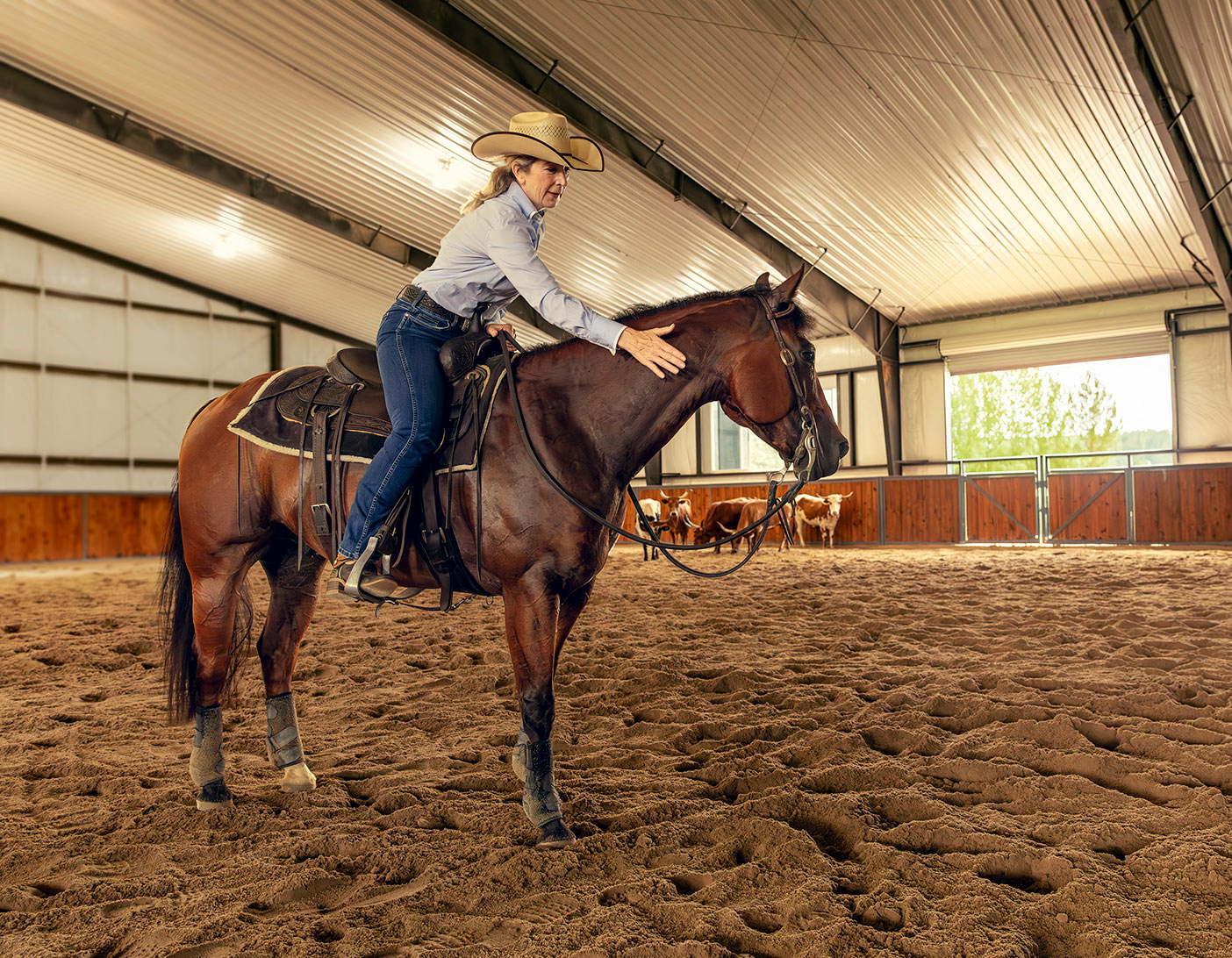
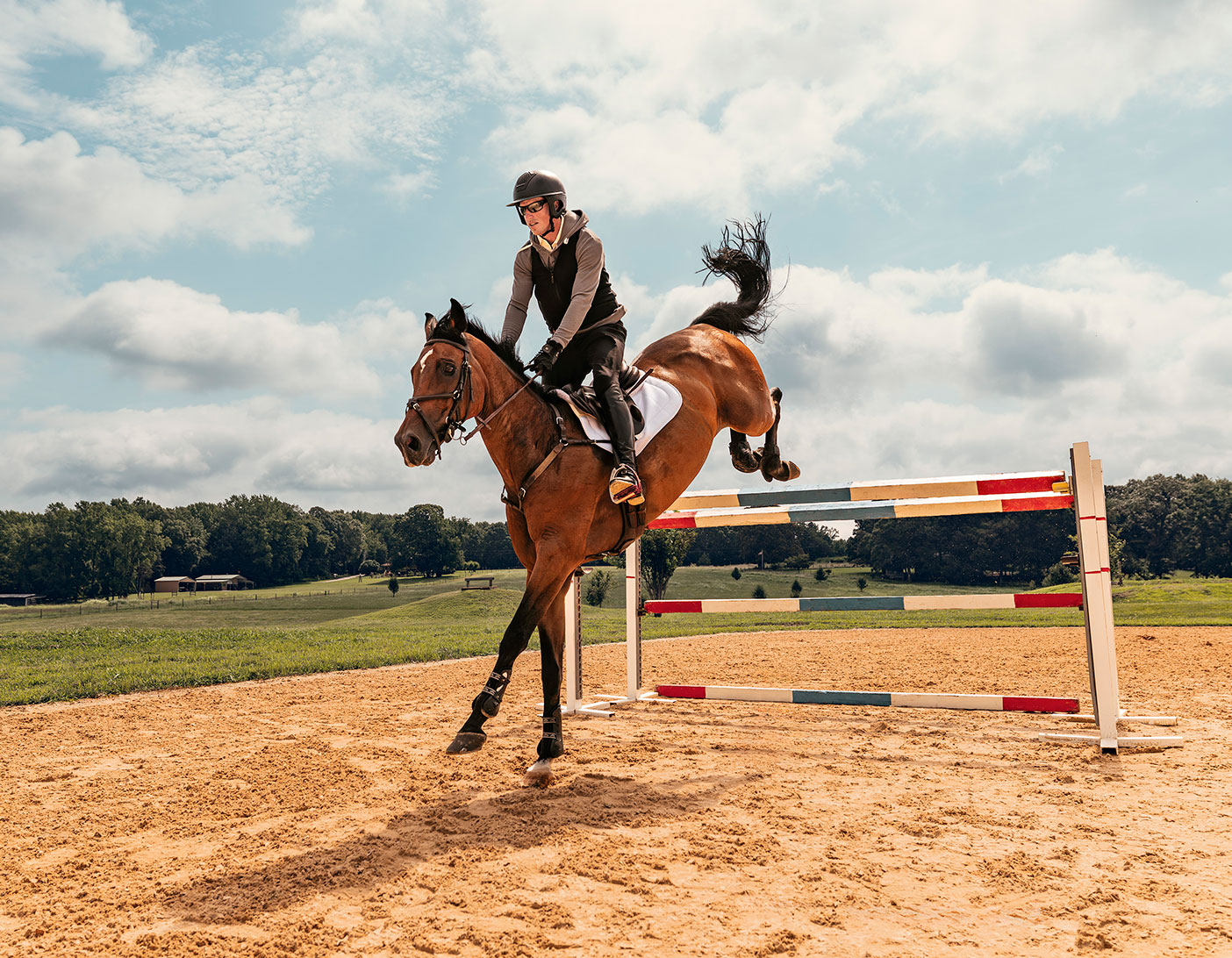
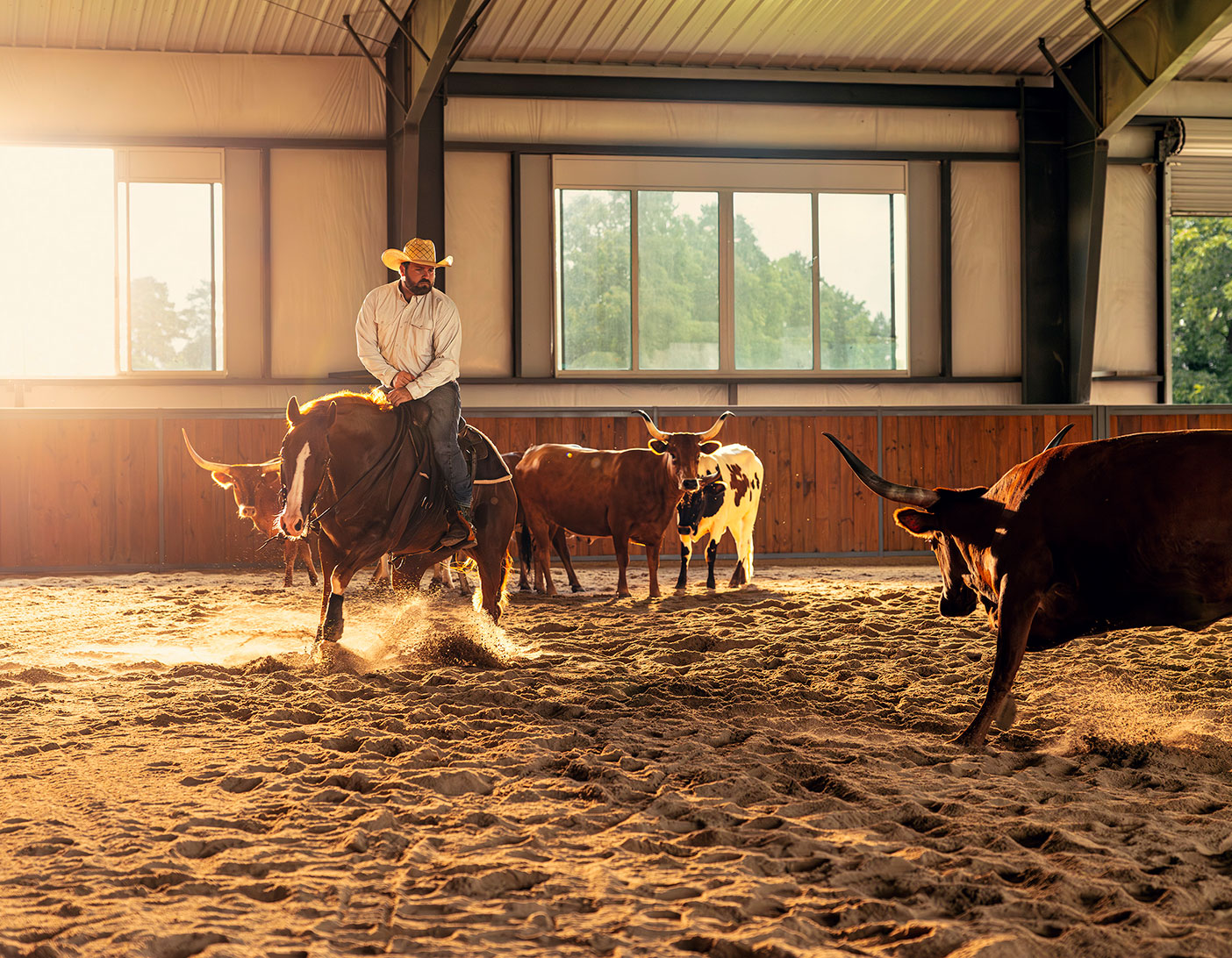

At Zoetis, we’re committed to your horse’s health and well-being. As your partner in performance horse care, we provide products and resources to support the needs of your equine athlete so you can confidently unlock progress together at every stage of the journey.
View the performance horse brochure
Many performance issues start as small changes—a head toss, pinning ears or grinding teeth when given a cue, reluctance or inability to hold a specific gait or move out, tipping a rail, or decreased stamina. While training may play a role, pain and medical factors—like lameness, ulcers, respiratory disease, or neurologic, metabolic or muscular disorders—may often be an underlying cause.
 Did you know?
Lameness is the #1 cause of poor performance2-4
Other issues could include respiratory problems like equine asthma or airway obstruction, gastric ulcers, cardiovascular limitations, muscle disorders such as tying-up other myopathies, systemic illnesses, or training/conditioning gaps—all of which can contribute to poor performance, even without obvious signs.
Dealing with lameness can be frustrating, nerve-wracking and potentially time-consuming. Learn more about the treatment options your veterinarian can use to help return your horse to optimal performance.
Proper travel preparation goes beyond packing the trailer. It includes wellness checks, vaccinations, documentation and biosecurity measures to protect your horse and others. Work with your veterinarian and follow these tips to get yourself and your horse ready to travel for competitions.

Common travel-related diseases include shipping fever, pleuropneumonia, equine influenza virus (EIV), equine herpesvirus (EHV) and inflammatory airway disease (IAD).
Carry a current negative Coggins test and valid Certificate of Veterinary Inspection or Extended Equine Certificate of Veterinary Inspection.
Use Serum Amyloid A (SAA) testing before and after travel to help detect early signs of inflammation or infection.
Make sure your horse is up to date on core and risk-based vaccinations, including Fluvac Innovator® EHV-4/1 and Pinnacle® I.N.
Visit your event’s or organization’s website to confirm specific health and vaccination rules.
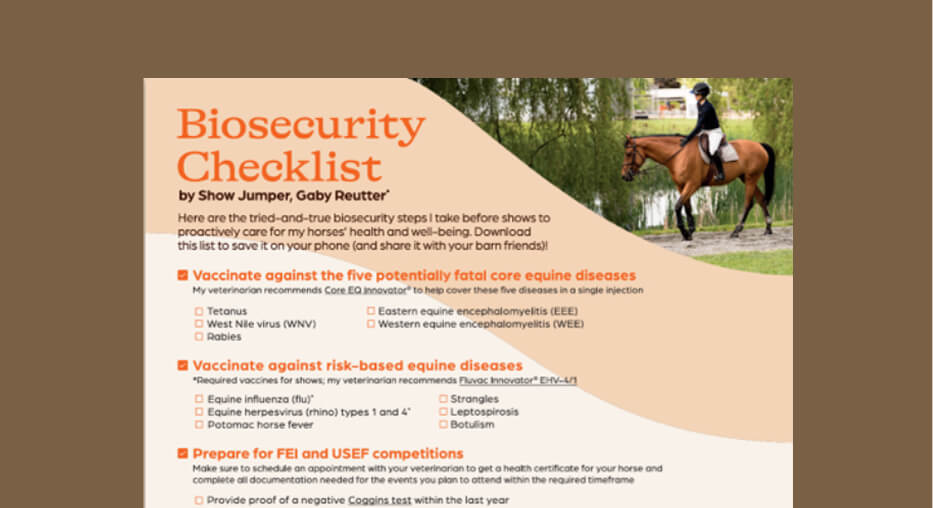
Peek behind the curtain to see how Gaby Reutter partners with her veterinarian to ensure her horses stay in top health before, during and after competitions.



The #1 most trusted equine respiratory vaccine in the United States10

Up to 4.7x better immune response against equine influenza*11


10-minute stall-side results

30x more sensitive than a thermometer at detecting subclinical infection12
Even the most careful performance horse owners can face emergency situations. Being prepared with the right plan and supplies gives you the confidence to act quickly when every second counts.



Thermometer
Stethoscope
Disposable gloves
Triple antibiotic ointment
Non-stick Telfa pads/cling gauze
Roll cotton/brown gauze
Vetrap/Elastikon
Bandage scissors
Saline eye solution
Dormosedan® Gel (detomidine hydrochloride)
For horse care and husbandry procedures where horses may become too anxious to work with safely, acquiring prescription Dormosedan® Gel (detomidine hydrochloride) from a veterinarian ahead of time can provide peace of mind and a helping hand to facilitate safe experiences.
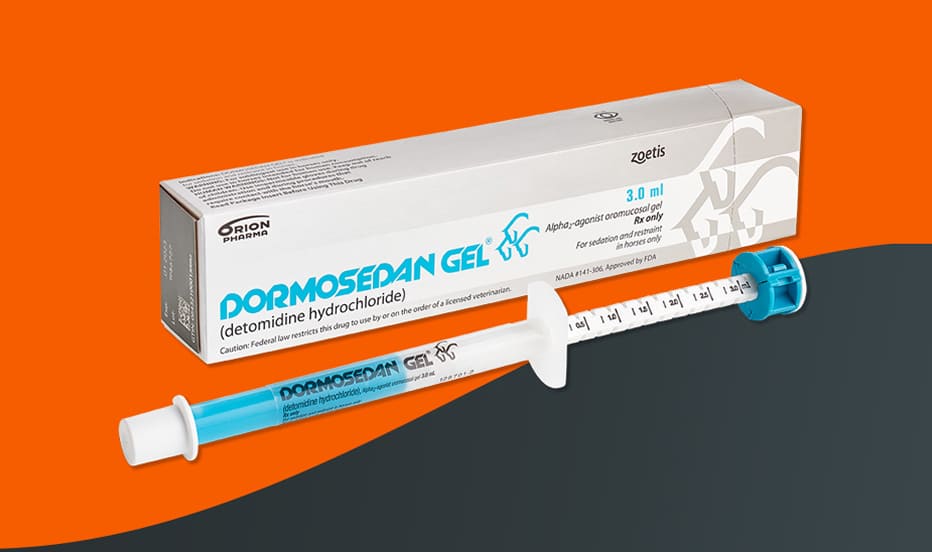
Do not use DORMOSEDAN GEL in horses with pre-existing atrioventricular (AV) or sinoatrial (SA) block, with severe coronary insufficiency, cerebrovascular disease, respiratory disease, or chronic renal failure. Do not use in anesthetized or sedated horses, or in conditions of shock, severe debilitation or stress due to extreme heat, cold, fatigue or high altitude. Handle gel-dosing syringes with caution to avoid direct exposure to skin, eyes or mouth. See full Prescribing Information, here.
We're here to help you do what's best for your horse while on the road. Keep the right contacts close this show season by saving the resources below.
Clean Sport for Horses Veterinary Forms or enter vaccine records and temperatures in the FEI HorseApp
The PRCA does not currently have its own equine drug testing and medication policy
This guide covers essential tips on poor performance, lameness, biosecurity and emergency care for your sport horse.
View Document
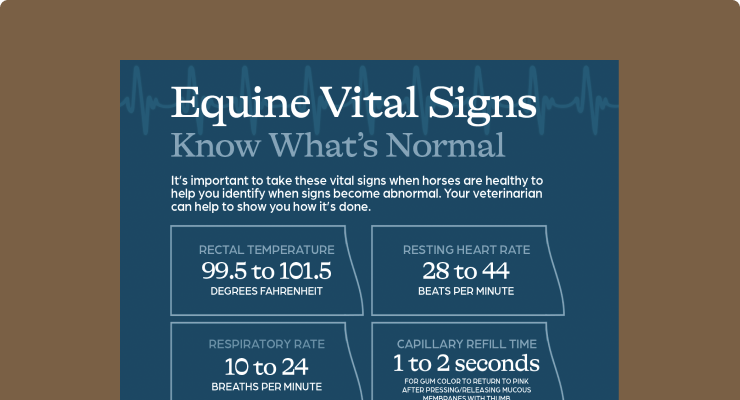
Printable, customizable poster that explains normal vital signs.
View Document
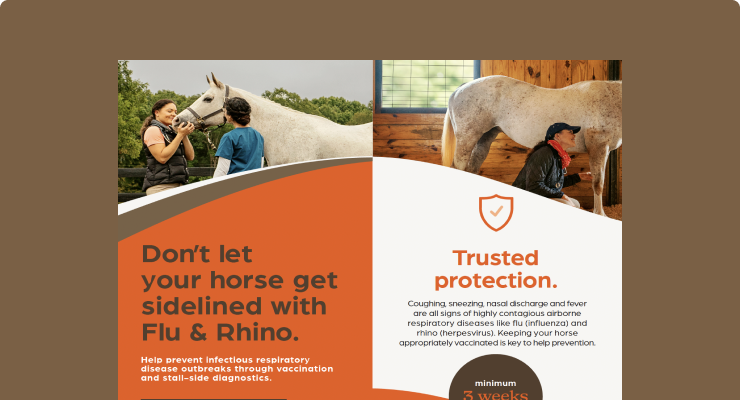
How to help prevent infectious respiratory disease outbreaks through vaccination and stall-side diagnostics.
View Document
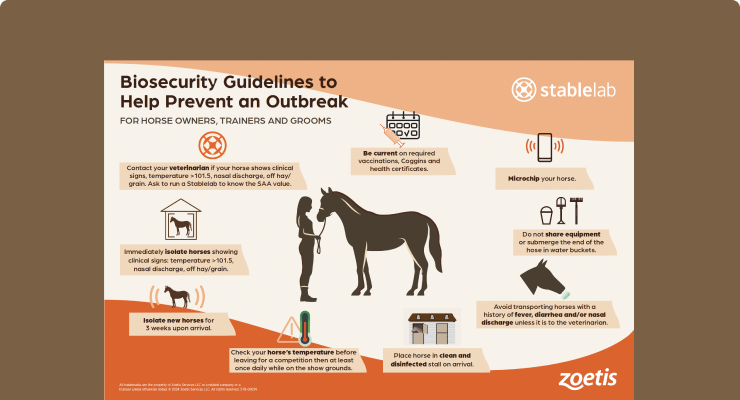
A downloadable poster with biosecurity tips for horse owners, trainers and grooms.
View Document

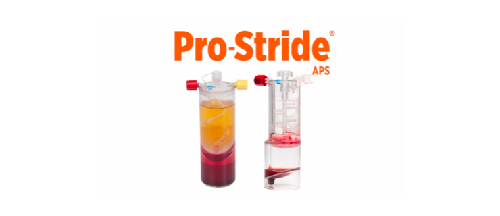
Explanation of key information about Pro-Stride APS and why it stands apart in long-term lameness management.
View Document

Explanation of key information about Restigen PRP and its benefits for use in soft tissue injuries.
View Document
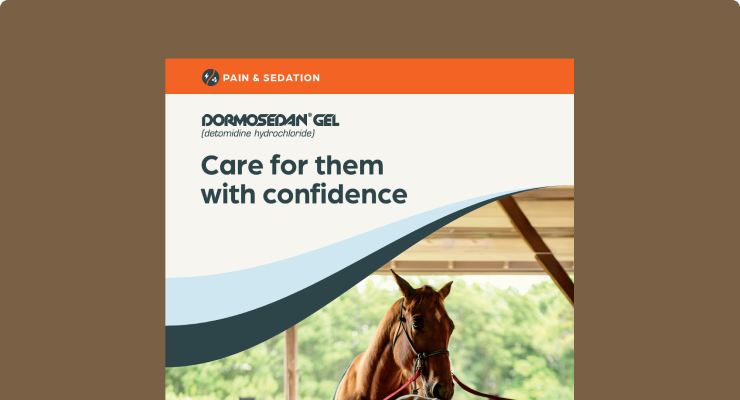
This guide helps horse owners learn how to administer Dormosedan Gel properly.
View Document

Dr. Holly Helbig shares how she uses Stablelab in a competitive environment to help manage quarantine and biosecurity protocols.
Watch Video
Dr. Ginger Reagan and Dr. Mary Gochnauer share how vets use Stablelab to measure SAA stall-side and guide quarantine and biosecurity protocols.
Watch Video

Dr. Kim Harmon shares how she talks to her horse owner clients about Pro-Stride APS.
Watch Video
This video explains how to dose, administer and use Dormosedan Gel for effective mild sedation before routine horse care.
Watch Video
Before You Travel
Stablelab is a stall-side blood test your veterinarian uses to measure Serum Amyloid A (SAA) — a powerful biomarker that rises rapidly in the bloodstream when a horse is fighting infection. Visit Stablelab® Stall-side Diagnostics to learn more.
SAA has been shown to be 30x more sensitive than a thermometer for detecting subclinical infection.13 So even if your horse’s temperature is normal, Stablelab can still detect underlying infection.
Stablelab gives results in just 10 minutes, allowing your vet to make immediate decisions. That means no waiting on lab work while your horse’s condition progresses.
Stablelab quantifies the severity of infection
Serial testing helps monitor if treatment is working. SAA drops rapidly as infection resolves — about 50% every 24 hours. This prevents overtreating, undertreating, or guessing.
Determine which organization governs your show
Different shows follow different rulebooks: Rules differ between them, so always confirm which applies to your specific situation. See industry guidelines and resources linked in the chart above.
Always consult your veterinarian
Every horse metabolizes drugs differently, and environmental factors (stall contamination, illness, feed, fitness) alter clearance times. Veterinary involvement with these decisions is always advised.
Pro-Stride® APS (Autologous Protein Solution) is made from your horse’s own blood, concentrated stall side into a solution rich in:
Subtle signs of pain can be easy to write off, but you should think twice if your horse is consistently demonstrating any of the following behaviors:
References
1. Dyson, S, et al., Evaluation of poor performance in competition horses: A musculoskeletal perspective. Part 1: Clinical assessment, Equine Vet Educ, 2016
2. Martin BB, Reef VB, Parente EJ, et al. Causes of poor performance of horses during training, racing, or showing: 348 cases (1992–1996). J Am Vet Med Assoc. 2000;216:554–558.
3. Fraipont A, Van Erck E, Ramery E, et al. Subclinical diseases underlying poor performance in endurance horses: Diagnostic methods and predictive tests. Vet Rec. 2011;169:154.
4. Knight PK, Evans DL. Clinical abnormalities detected in post-race examinations of poorly performing Standardbreds. Aust Vet J. 2000;78:344–346.
5. Data on file, Equine Orthobiologics Market Research Study Parts 1-4 US Market Research Dept. Jun 27 2025.
6. Bosch G., et al. Effects of platelet‐rich plasma on the quality of repair of mechanically induced core lesions in equine superficial digital flexor tendons: a placebo‐controlled experimental study. J Orthop Res. 2010, 28(2): 211-217. http://doi.org/10.1002/jor.20980
7. Chahla J., et al. A call for standardization in platelet-rich plasma preparation protocols and composition reporting: a systematic review of the clinical orthopaedic literature. J Bone Joint Surg Am. 2017, 99(20): 1769-1779. http://doi.org/10.2106/JBJS.16.01374
8. Kon E., et al. Subchondral and intra-articular injections of bone marrow concentrate are a safe and effective treatment for knee osteoarthritis: a prospective, multi-center pilot study. Knee Surgery, Sports Traumatology, Arthroscopy. 2021, 29: 4232–4240. http://doi.org/10.1007/s00167-021-06530-x
9. Bourebaba, L., et al., Osteochondritis dissecans (OCD) in Horses - Molecular Background of its Pathogenesis and Perspectives for Progenitor Stem Cell Therapy. Stem Cell Rev Rep. 2019, 15:374-390. http://doi.org/10.1007/s12015-019-09875-6
10. Fluvac had the most doses sold of all equine vaccines in the United States. Animatytix Equine Vaccines Segment Data, December 2024.
11. Zoetis Inc. Data on file. Study report no. 14OREQBIO-1.
12. Oertly M, Gerber V, Anhold H, et al. The accuracy of Serum Amyloid A in determining early inflammation in horses following long-distance transportation by air. AAEP Proceedings. 2017:460-461.
13. Usimaki A, Ciamillo S, Barot D, et al. Single injection of intra-articular autologous protein solution in horses with acute interleukin-1B-induced synovitis decreases joint pathology scores. EVI July 25, 2024. https://doi.org/10.1111/evj.14203
14. Chunekamrai, S., Krook, L.P., Lust, G., Maylin, G.A. "Changes in articular cartilage after intra-articular injections of methylprednisolone acetate in horses." Am J Vet Res. 1989 Oct;50(10):1733-41.
15. Wernecke, C., Braun, H. J., & Dragoo, J. L. (2015). The effect of intra-articular corticosteroids on articular cartilage: A systematic review. Orthopaedic Journal of Sports Medicine, 3(5), 2325967115581163. https://doi.org/10.1177/2325967115581163
16. Page AE, Johnson M, Parker JL. The Effects of Intra-Articular Triamcinolone and Autologous Protein Solution on Metabolic Parameters in Horses. Animals (Basel). 2024 Aug 2;14(15):2250. https://doi.org/10.3390/ani14152250
17. Page AE, Rauber-Ramos AM, Humiston M. Initial investigation into the metabolic effects of intra-articular betamethasone on normal and insulin dysregulated horses. JEVS, Volume 147, April 2025. https://doi.org/10.1016/j.jevs.2025.105404
Dormosedan is a registered trademark of Orion Corporate, distributed by Zoetis under license. Stablelab is a registered trademark of Epona Biotech Limited, used under license. GEQ-01443