 Visit veterinary professionals site
Equine Sedation: A Comprehensive Guide for Horse Owners
Read Article


Many long standing barn truths sound convincing, but not all of them hold up when you dig into the details. With horse care advice coming from everywhere—barn aisle chatter, social media, even late night AI searches—it’s easy for beliefs to stick around long after the science has moved on. To help cut through the noise, we’re breaking down some persistent equine health myths and replacing them with clear, veterinarian backed guidance. We’ll tackle some of the myths we hear most often, what the evidence says and how you can put the information to use. If you want to go deeper, additional resources are linked throughout the blog.
As always, consult your veterinarian on all care decisions. They’re your best partner and can ensure all care is tailored to your horse’s situation and needs.
The Equine Disease Communication Center reports that 25 to 82 horses contract rabies each year, and once clinical signs appear, there’s no cure.1 Vaccination is a safe and effective way to prevent rabies in your horse.

Why it matters: Even if rabies seems rare or you haven’t heard of cases in your area, the stakes are too high to skip vaccination. While it might not be as common as other illnesses, rabies is fatal 100% of the time, and exposure can happen anywhere wildlife and horses overlap. Horses often share pasture with animals known to be vectors of rabies (bats, racoons, foxes, skunks, etc.), and even horses that are stalled all of the time are still exposed to wildlife in the barn, especially at night. Horses have also been shown to be more likely to contract rabies than other human-friendly animals. For example, they’re four times more likely to contract rabies than dogs, yet only one-sixth of the U.S. horse population is currently vaccinated against the disease.1-2
What to do: Talk with your veterinarian to ensure that rabies is part of your horse’s core annual vaccine plan. Core EQ Innovator® is a great option that provides protection against the five core equine diseases (Eastern equine encephalomyelitis, Western equine encephalomyelitis, West Nile virus, tetanus and rabies) in a single injection.3 Every horse, no matter their age, breed, discipline or travel/show schedule, should receive a core disease vaccination on an annual basis.
While a thermometer is very useful, it can miss an early infection that hasn’t fully set in. Many veterinarians measure Serum Amyloid A (SAA), a real-time biomarker in your horse’s blood that’s far more sensitive than temperature alone for detecting subclinical inflammation related to infection.4 Stablelab® is a handheld, stall-side reader that your veterinarian uses for SAA testing which provides results in just 10 minutes.4
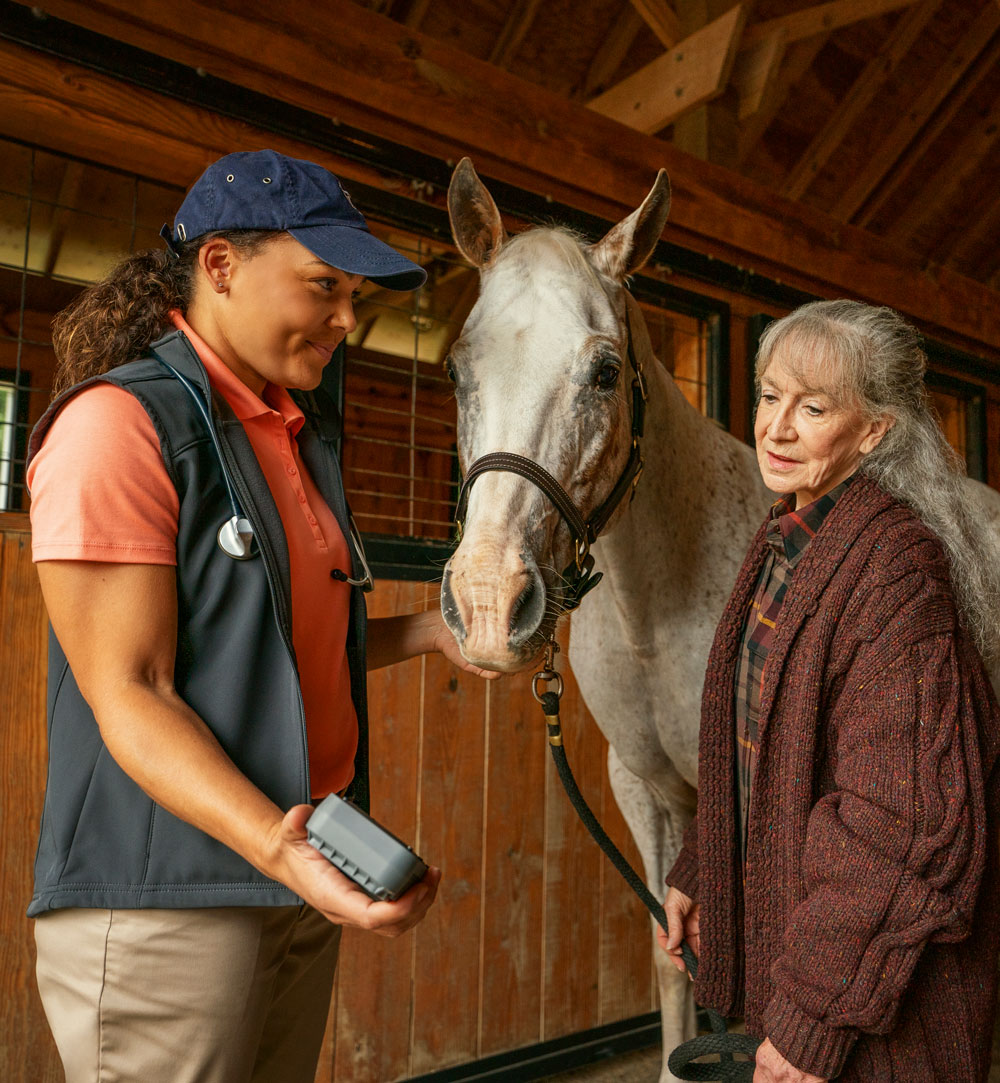
Why it matters: SAA is normally zero (0 mg/mL) in healthy horses. If SAA is over 50 ug/mL, your veterinarian should evaluate your horse to find the area of infection. Catching infection early, often before clinical signs are visible, can allow your veterinarian to start treatment before it becomes a problem and lets your horse get on the road to recovery faster, especially during travel or in environments where new horses are coming and going.
What to do: Taking your horse’s temperature regularly so you know what’s normal is a good start. However, ask your veterinarian to run an SAA test on any new horses in your barn while they’re isolated from other horses, on any adopted or rescued horses, prior to leaving for a show or event, and after you return to stay one step ahead of potential infection. If you’re traveling with your horse, check out our biosecurity checklist—created in partnership with show jumper Gaby Reutter—which reviews everything you should do to keep your horse (and others) safe.
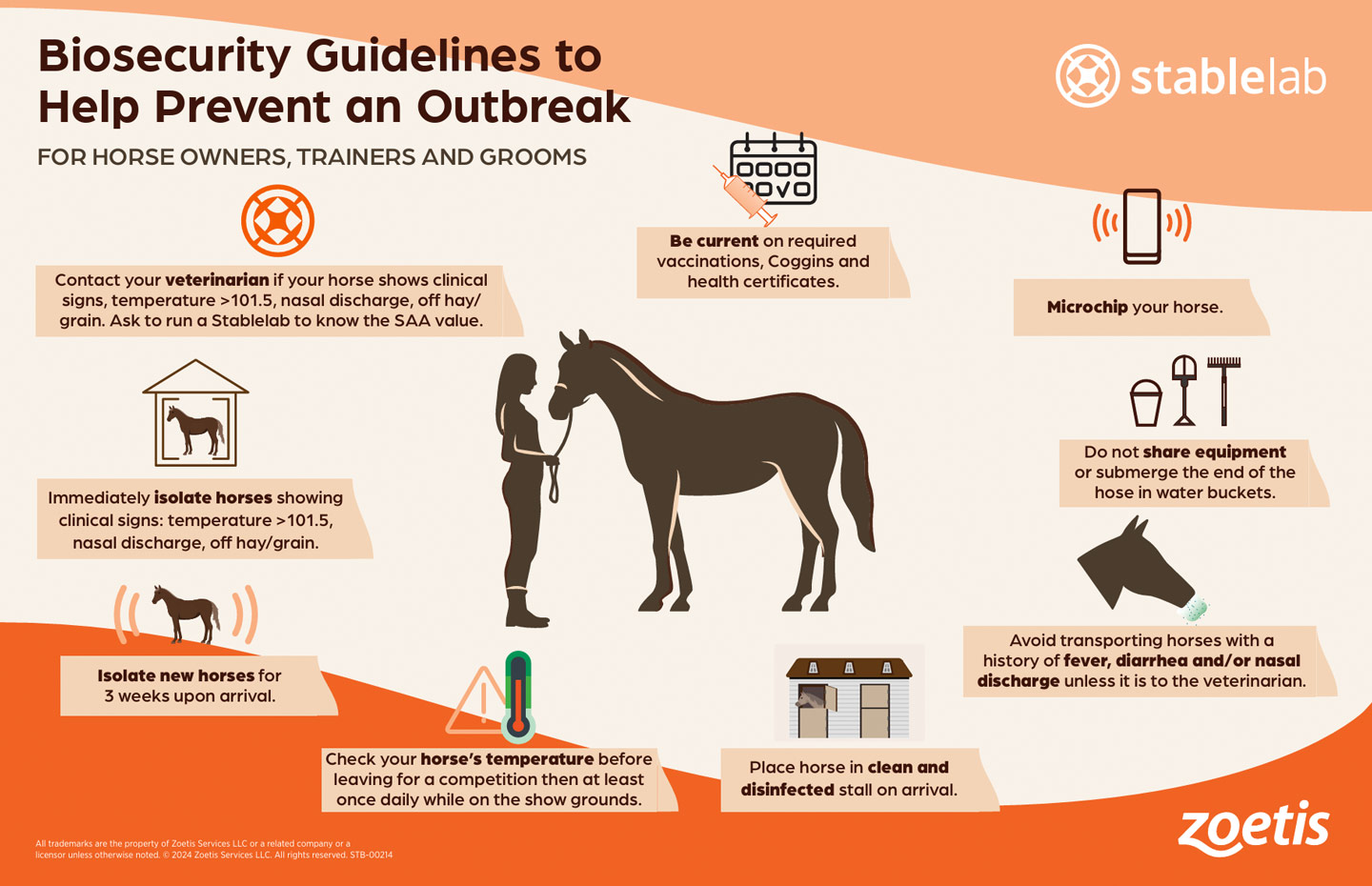
Frequent rotational deworming doesn’t provide better protection and control of parasites. Today’s gold standard is targeted deworming that uses regular fecal egg counts to identify high shedders and considers age plus geography to select the right product at the right time (and is often used less frequently than people think).5,6
Why it matters: Deworming too often can actually speed up parasitic resistance, which happens when the drugs we use to deworm become less effective against parasites, making effective control even harder over time.5,6 The goal of deworming isn’t to eliminate every parasite, since that’s not really possible. The objective is to keep horses healthy and ensure dewormers work long-term by avoiding unnecessary treatments and subsequent resistance.5,6
What to do: Work with your veterinarian to target the right parasites at the right time of year. For most healthy adult horses, that looks like one dose in the spring and fall, shown below, with additional doses for high shedders, foals and youngsters. For a refresher on targeted deworming and why it matters, tune in to our Worms of Concern educational rap song.
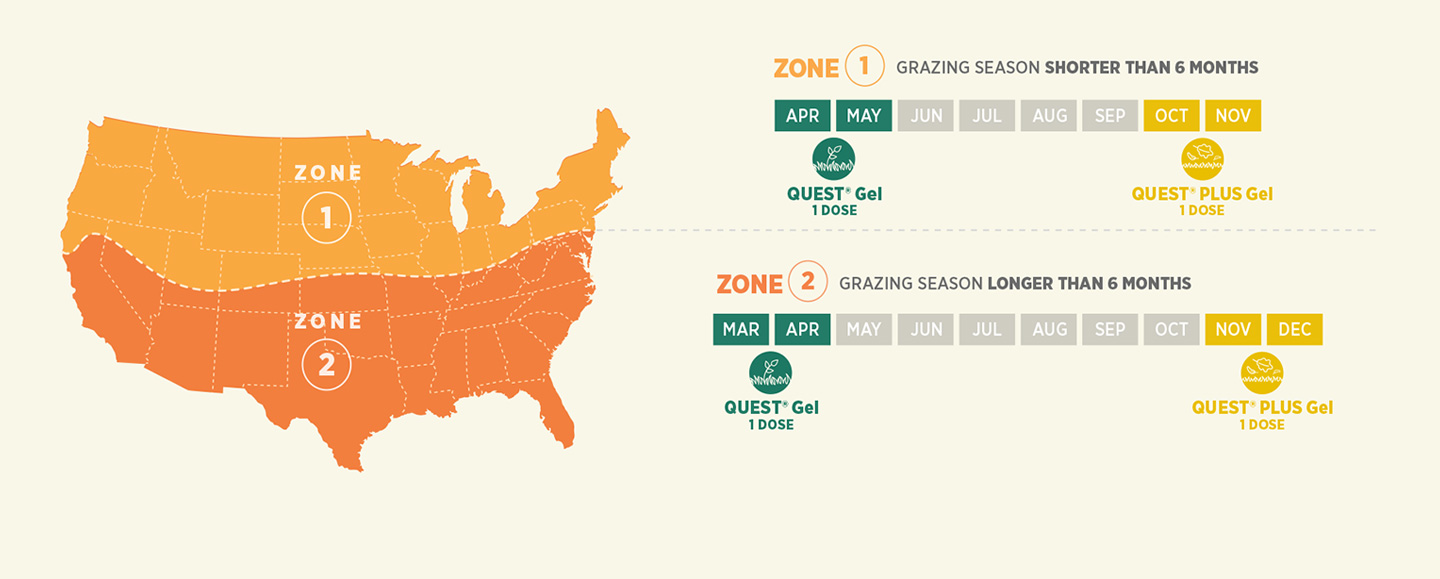
Download the adult horse deworming guide
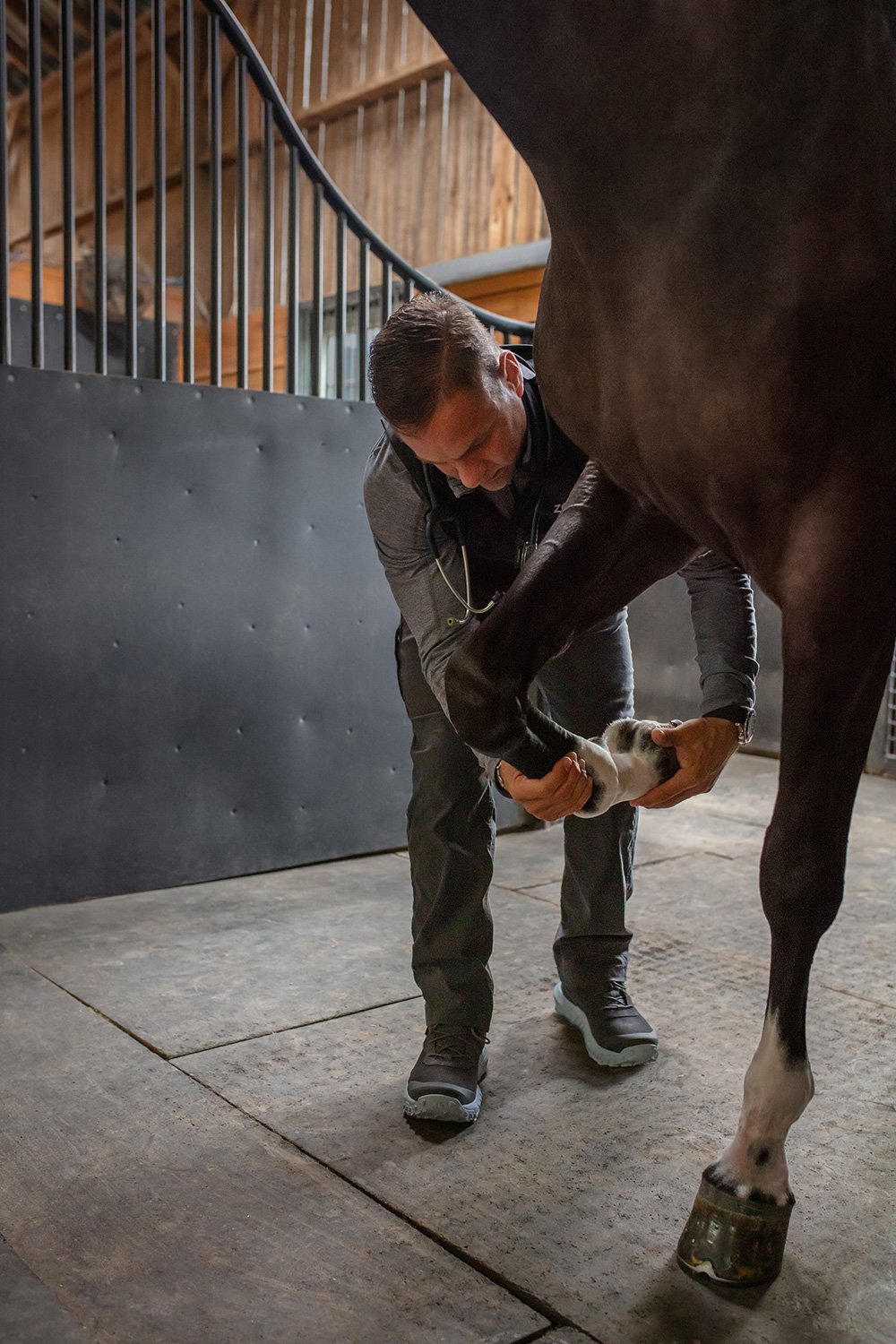
While regenerative medicine devices—also known as orthobiologics—may look similar, their result and use cases vary based on the types of cells, proteins and healing factors that are isolated. There are a wide variety of these devices, and you’ll often hear phrases like autologous protein solution (Pro-Stride® APS), PRP or platelet-rich plasma (Restigen® PRP), bone marrow aspirate (CenTrate® BMA) and amnion to describe a certain therapy.
What sets these regenerative therapies apart from more traditional therapies (such as corticosteroids) for joint health is that they can stimulate the healing of damaged tissues.7,8 In a nutshell, they are more than band-aid solutions. We do this by drawing a horse’s blood, spinning it down in a centrifuge and concentrating certain healing proteins and cells which are then reinjected in the joint or damaged soft tissues to help promote healing.
Where these devices differ is in their exact processing method and intended use cases. Here’s a quick breakdown:
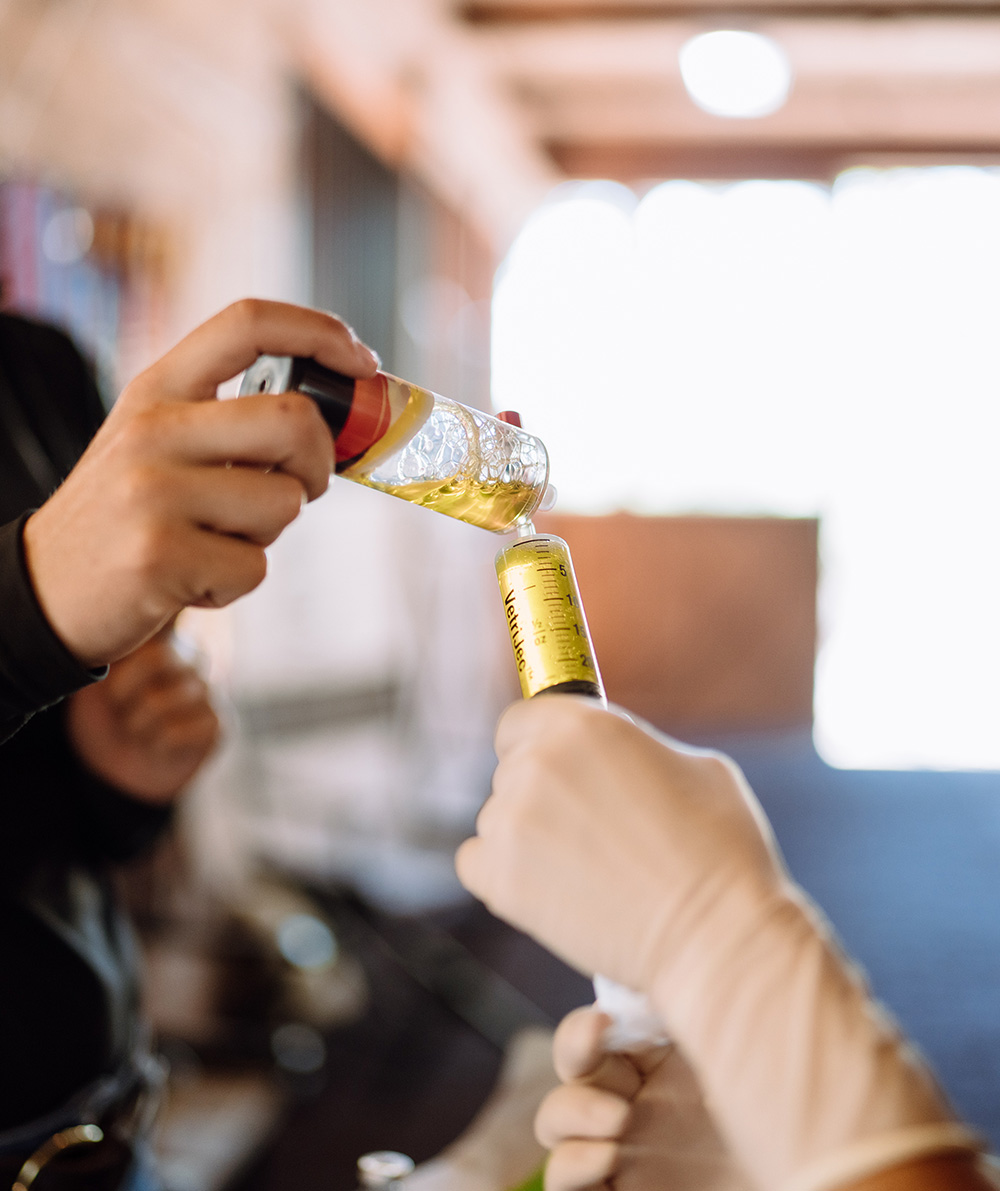
To simplify, while all three therapies fall under the regenerative medicine umbrella, they’re designed for different tissues, injury stages and outcomes.
Some regenerative therapies can also be allogeneic, meaning they’re derived from a donor horse, packaged and ready to use out of the box to be injected into your horse. While these therapies are convenient, they can potentially transmit infectious diseases or cause an adverse immune response if these products are injected repeatedly.9
Why it matters: Understanding these differences helps you and your veterinarian select the right treatment option for your horse’s specific problem, because these therapies are not the same.
What to do: Ask your veterinarian which regenerative option is best suited for your horse’s condition. For more information, visit our portfolio webpage.
Some horses tolerate routine care like seasoned pros. Others find tasks like clipping, mane pulling, farrier work, sheath cleaning or bandage changing genuinely stressful. And stress can turn a normal day into a dangerous one fast. Sedation isn’t taking the easy way out—it’s often a safe way to protect both the horse and the humans handling them.
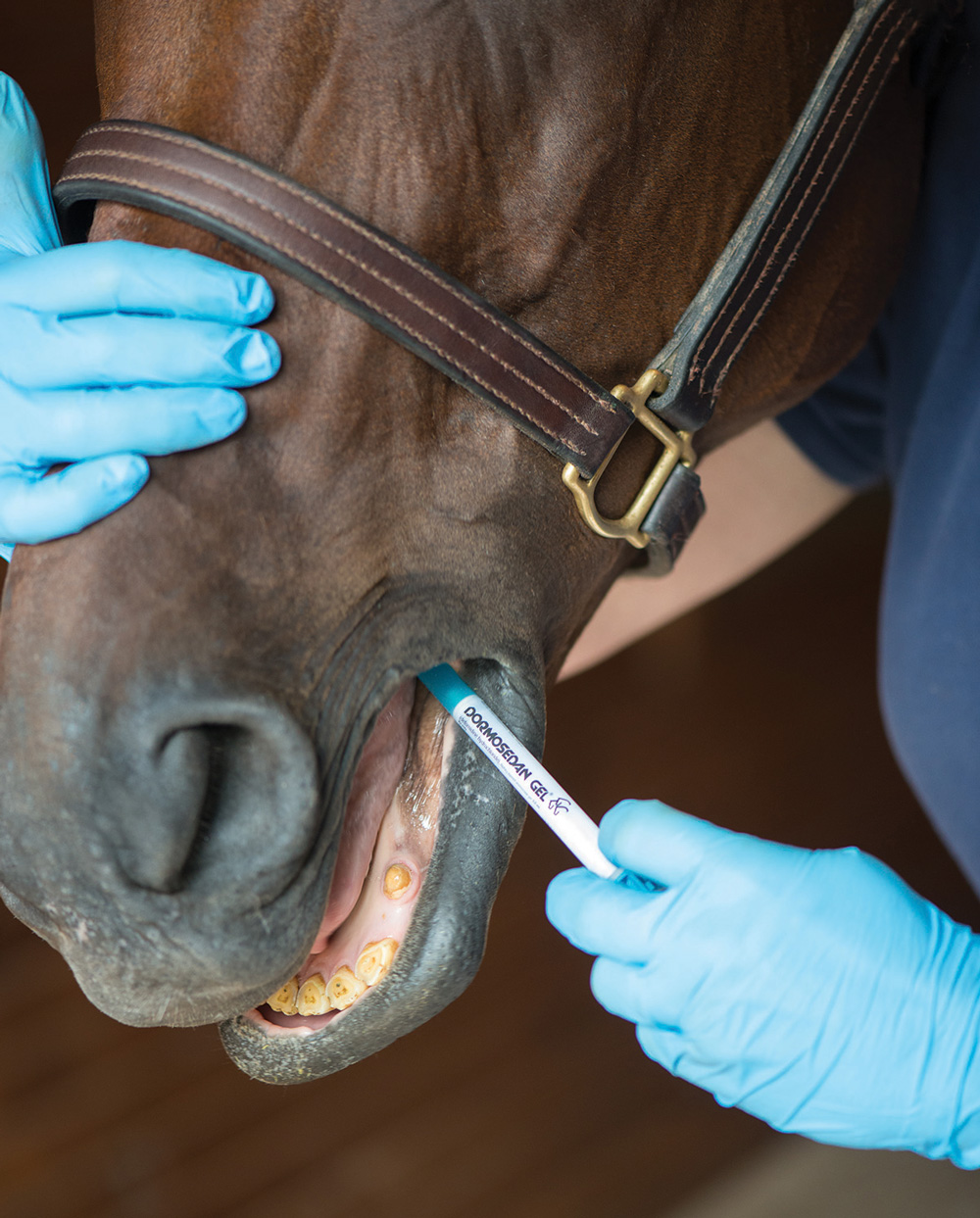
Why it matters: Reducing stress helps prevent routine care from escalating into unsafe situations. It also increases the likelihood of completing procedures correctly, efficiently and without injury.
What to do: If your horse escalates during routine care, continue practicing good horsemanship, but also talk with your veterinarian about behavior strategies and whether a prescribed sedative could help. For certain non‑painful standing procedures, Dormosedan® Gel (detomidine hydrochloride) is a veterinarian‑prescribed option that horse owners can administer themselves. Note: Never borrow sedatives from a barnmate or use another horse’s prescription medication. What’s safe for one horse may be inappropriate or dangerous for another.
Sublingual administration matters: Dormosedan Gel is not a dewormer. It must be placed under the tongue, where it absorbs properly. If you’re interested in learning more about the types of sedation and when they’re appropriate, check out our Equine Sedation: A Comprehensive Guide for Horse Owners blog.
Horse care advice will probably always travel fast, especially online. Our goal is to help you feel confident separating fact from fiction so you can make informed decisions for your horse. When in doubt, build your plan with your veterinarian and lean on evidence based guidance to keep your horse healthy, comfortable and ready for whatever you love to do together. For more information, visit ZoetisEquine.com.
Do not use DORMOSEDAN GEL in horses with pre-existing atrioventricular (AV) or sinoatrial (SA) block, with severe coronary insufficiency, cerebrovascular disease, respiratory disease, or chronic renal failure. Do not use in anesthetized or sedated horses, or in conditions of shock, severe debilitation or stress due to extreme heat, cold, fatigue or high altitude. Handle gel-dosing syringes with caution to avoid direct exposure to skin, eyes or mouth. See full Prescribing Information.
Do not use Quest Gel or Quest Plus Gel in foals less than 6 months of age or in sick, debilitated and underweight horses. Do not use in other animal species, as severe adverse reactions, including fatalities in dogs, may result. Consult your veterinarian for assistance in the diagnosis, treatment, and control of parasitism.
Read Article

Read Article

Read Article
References
All trademarks are the property of Zoetis Services LLC or a related company or a licensor unless otherwise noted. Dormosedan is a registered trademark of Orion Corporation, distributed by Zoetis under license. Stablelab is a registered trademark of Epona Biotech Limited, used under license. © 2026 Zoetis Services LLC. All rights reserved. GEQ-01496
Share this article


