 Visit veterinary professionals site
Supporting Equine Veterinarians: A Path to Career- life Balance
Read Article
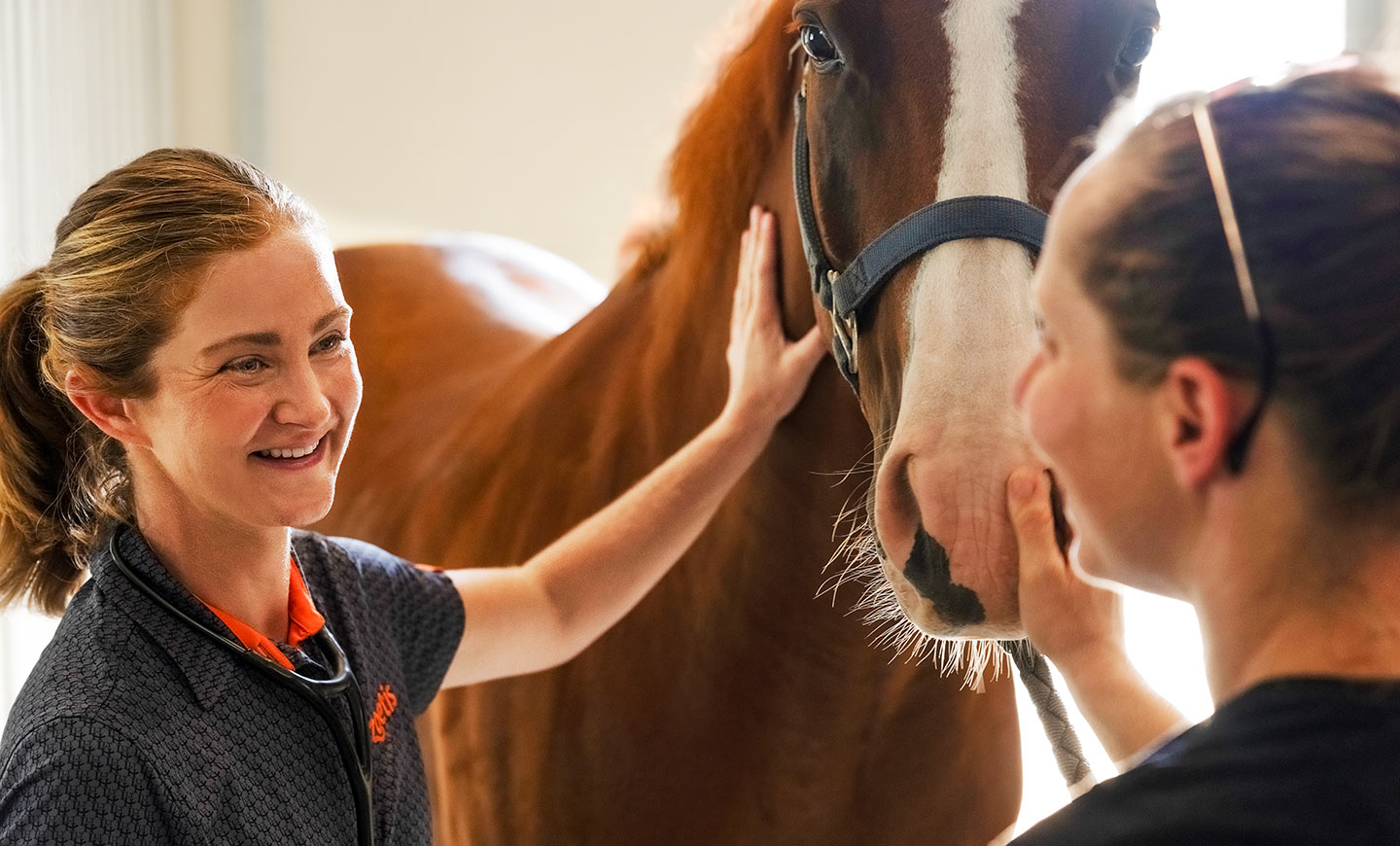
Every horse has a story, and behind that story is a team of people dedicated to helping them thrive. Their inner circle may include the owner, rider, trainer, farrier, groom and barn manager who support their day-to-day care, as well as practitioners offering alternative therapies such as acupuncture, massage and physiotherapy. Together with the veterinarian—the quarterback—who helps guide medical care and coordinates with the broader team, these professionals play an important role in helping horses feel and perform at their best.
We spoke with several members of this inner circle to gather the insights they wanted to share, including practical tips to help horses feel and perform their best. Their perspectives offer a window into the work they do and the horses who fuel their passion.
Not every barn has a full-time groom, but every horse has someone who fills that role. The caretaker who sees them everyday notices small changes and understands their rhythms. In some barns that’s a professional groom; in others it’s a barn manager, rider, trainer or dedicated owner. Regardless of the title, this daily observer is often the first to sense when something is off. That baseline knowledge of what is normal for that horse makes them invaluable across every discipline.
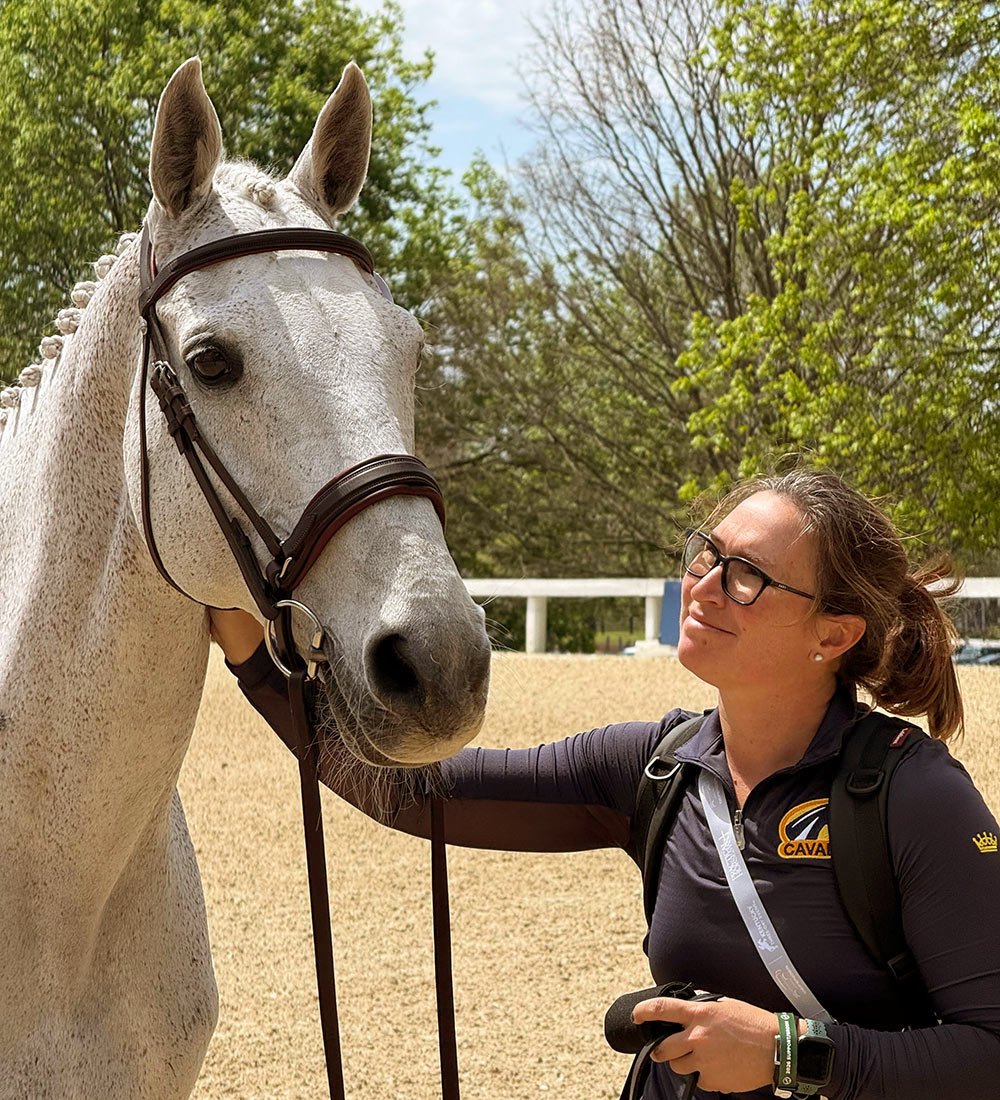
Professional groom Jeanna Epping, who works with 5 Star eventer Emily Hamel, explains: “Grooming isn’t just brushing. It’s a conversation. Horses tell you how they’re feeling with their body, their breath, their eyes. When you know them well, you can feel the moment something shifts.” She describes a groom as the horse’s number one advocate, the person who understands a horse’s baseline and tracks patterns to connect dots across the care team. “Every set of eyes matters,” Epping says. “I rely on the whole team to help me see the full picture.”
Epping cares for between 16 and 21 horses at any given time, some in full care and others in part-time training. With that many horses, she relies on a clear system that keeps everyone informed. It’s a system that Epping and Hamel have been building together over the years to help streamline communication across the full team which includes the following:
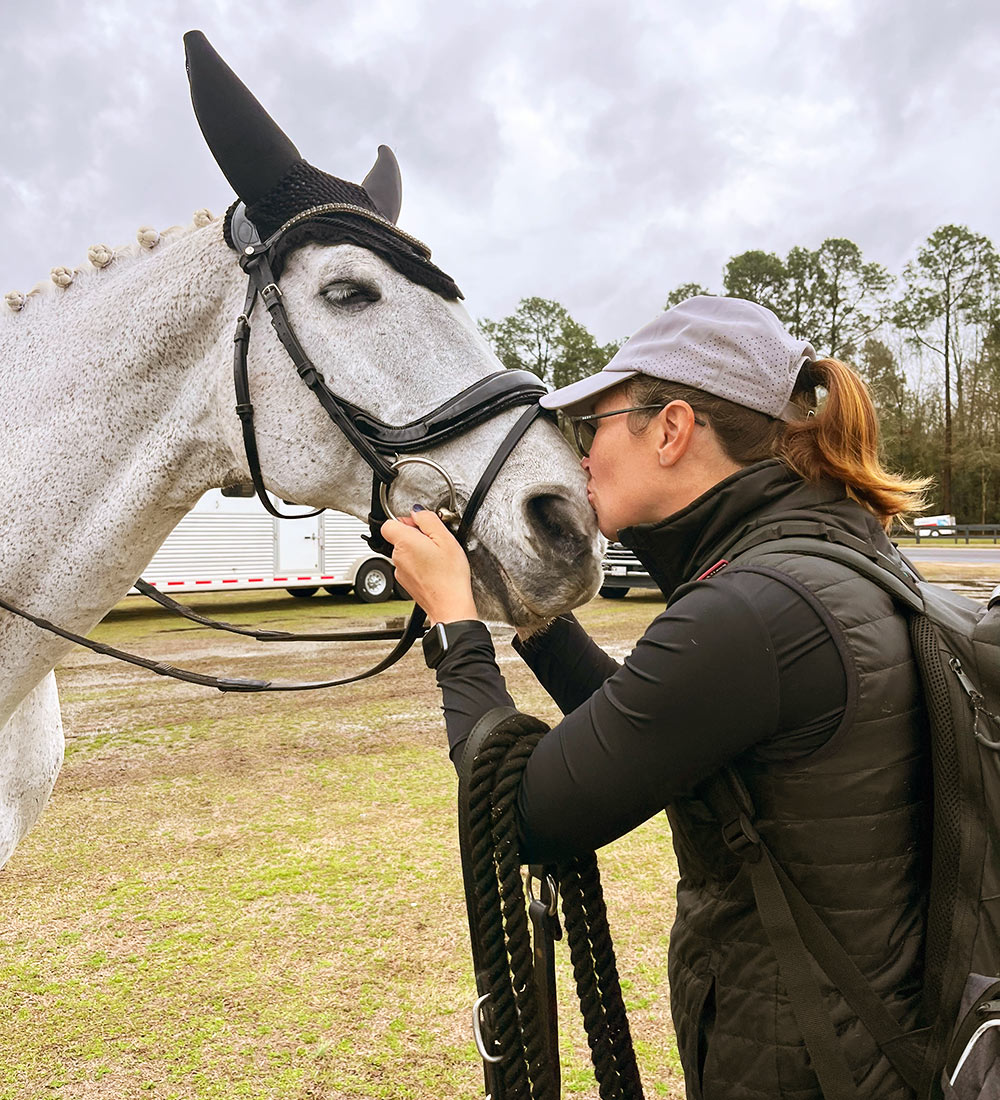
One day, a colleague noticed a horse’s leg "had some fill in it.” He wasn’t lame and the veterinarian wasn’t immediately available. Because Epping had written a note in her mobile spreadsheet on how this horse reacted to wet footing last year, she recognized the issue quickly and knew he needed his pads removed. That insight saved both the farrier and veterinarian valuable time and enabled the horse to be more comfortable faster in similar footing this year.
Epping points to Corvett (“Barry”), a 19 year old horse she has cared for during most of his 5 Star career. A few years back Epping and Hamel knew he was sound, but they wanted to make sure he felt the best he could. So, they systemized his nutrition, bodywork, farrier care, etc. and noticed a profound difference. Corvett started traveling easier, eating better and seemed so happy in his work. To Epping, that is true success: a horse who is comfortable, understood and thriving, whether they are a 5 Star athlete or retired former mount.
When a groom or caretaker spots a change that may start at the hoof, the farrier becomes the next key voice in the horse’s care regimen.
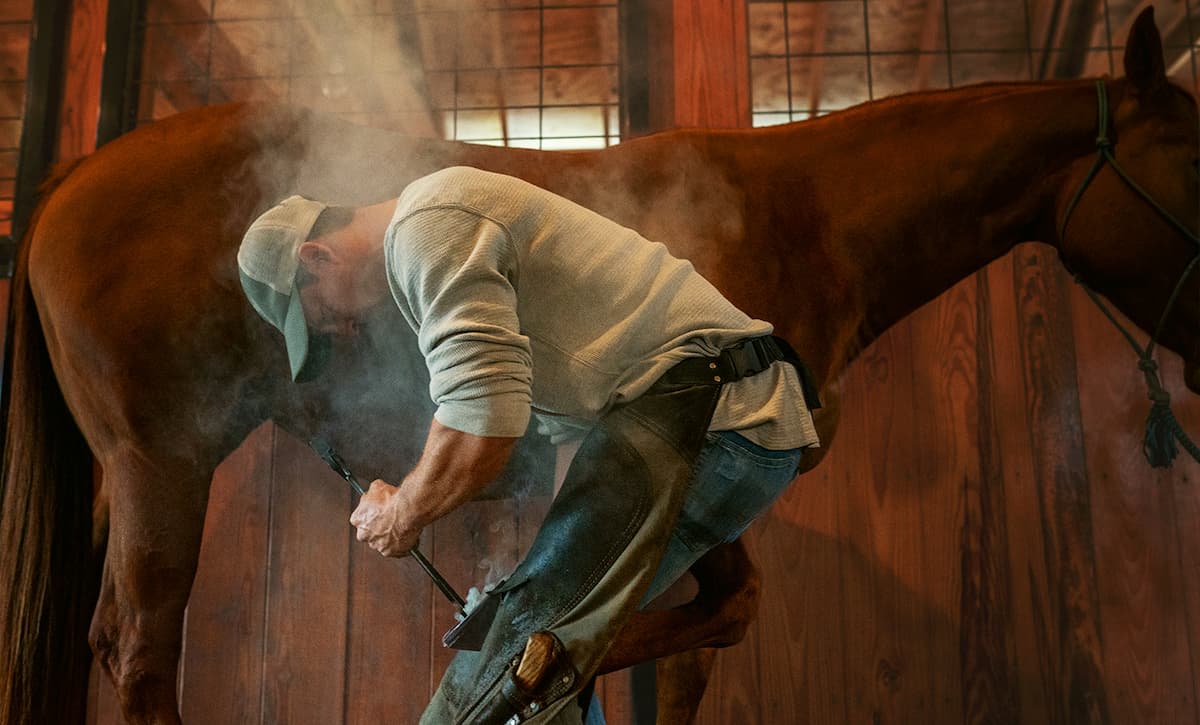
A horse can only perform as well as their feet allow, and farriers balance biomechanics, conformation, workload and hoof health every time they pick up a foot. For show horses especially, their work blends art and athletic engineering with a deep understanding of how horses move.
A team of farriers we spoke with at the Kentucky Three-Day Event emphasized that the most helpful things owners can do include horsemanship and simple (but impactful) routines. Farrier, Cory Brown explained how, “The best hoof care starts long before I pull into the driveway. A horse that’s handled regularly, stands quietly and has clean/dry feet. This makes it possible for me to do my best work, and that directly benefits the horse. As farriers, we’re not just shoeing feet; we’re supporting an athlete. When the whole care team is connected, the horse always wins.”
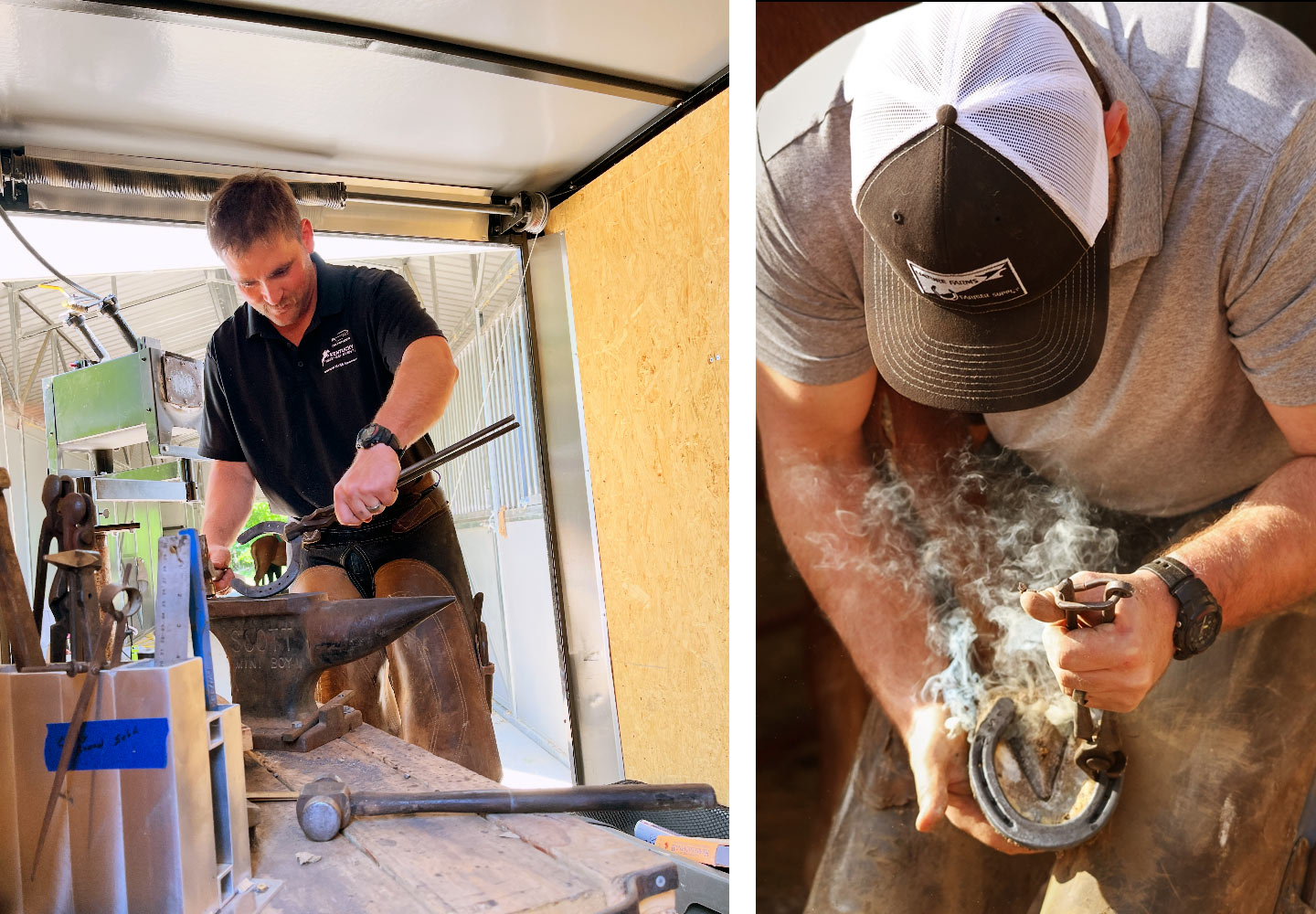
Cory Brown, Farrier
For additional hoof care tips, head to the Always by Your Side Blog to read, “Tips to Prepare for Successful Hoof Care Visits” and “Factors That Affect Your Horse’s Hoof Growth and Quality.”
When there is stiffness or muscle soreness, the next expert to weigh in may be an alternative specialist, like an equine acupuncturist, massage therapist or physiotherapist. They help address alignment, flexibility and muscle soreness that may cause issues throughout the body over time.
Alternative therapies cover a wide spectrum from chiropractic care, massage therapy, acupuncture, physical therapy and more. No single modality does everything, which is why many horses benefit from a variety of specialists who see the horse through a different lens. For sport horses especially, physiotherapists are a key part of staying comfortable, balanced and happy.
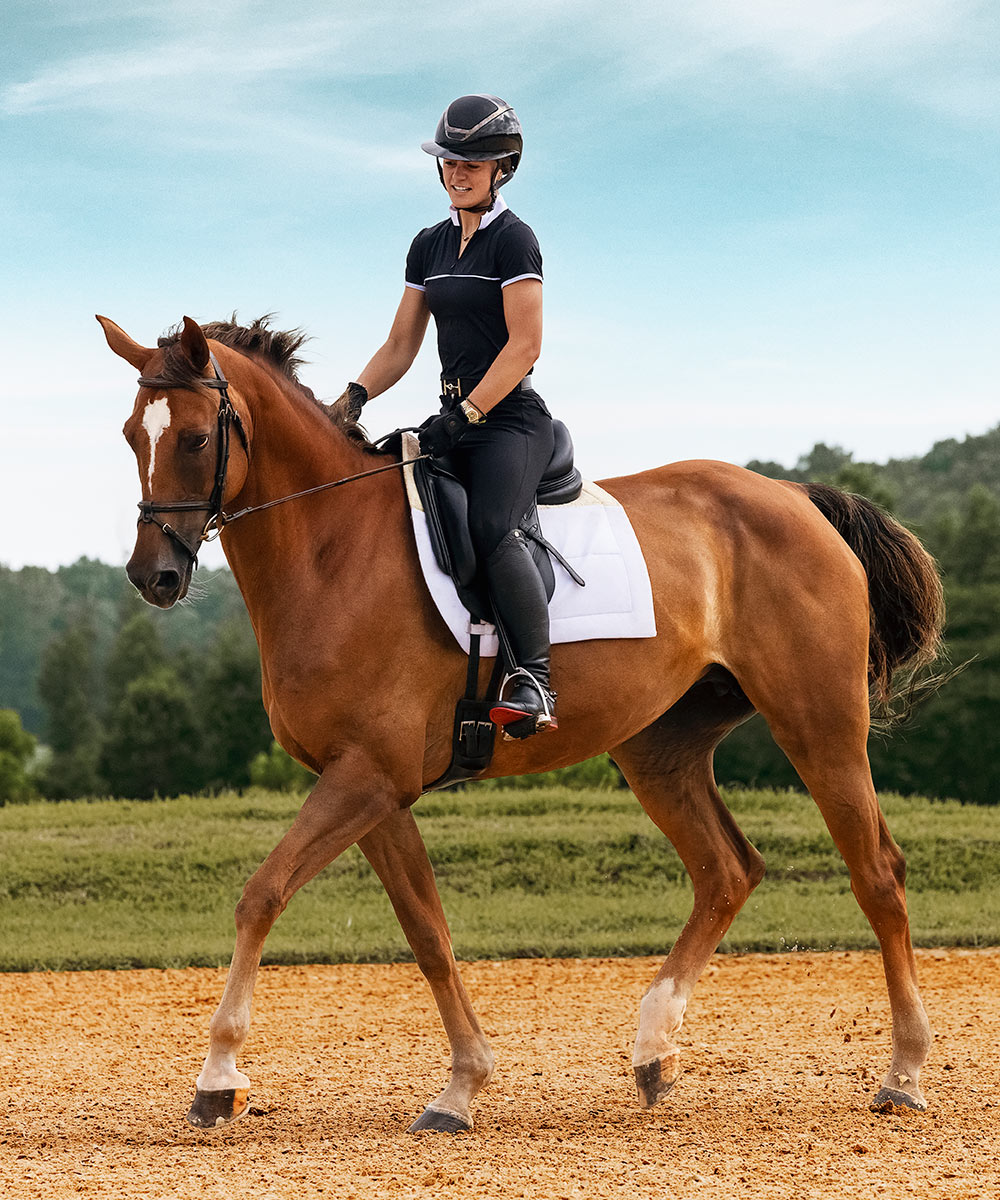
Casey Sorita, Equine Sports Therapist and Owner of Therapy Corner Store, explains that even what might be considered small moments such as a trip in the ring or a sideways spook can create tension patterns that influence how a horse moves. “It’s like waking up with a kink in your neck. One seemingly small shift can change how a horse feels, and our job is to figure out where that change started.”
These therapists assess posture, weight distribution, and how old injuries or scar tissue may still influence movement. A gelding’s castration scar for example can create long-term guarding patterns. A saddle that no longer fits can cause one shoulder to overdevelop. Young horses learning new muscle groups by competing in different disciplines can struggle to stay balanced. Older horses rehabbing from an injury may need support to stay even, so they don’t develop a secondary injury.
Since horses are fight-or-flight animals, creating a moment of quiet and homeostasis is a significant achievement. Sorita describes how one mare arrived to her deeply guarded, unwilling to be touched and quick to push people away. For almost three years, the mare chose only aromatics, selecting oils through scent as her way of engaging. “Little by little she began to let me in, and just recently chose to accept hands on work at a show. That was her choice, her timing and a reminder of how powerful it is when we let horses set the pace.”
Sorita has noticed that many riders assume aggressive, defensive or shy horses will not tolerate bodywork, yet these are often the horses who respond first to hands-off approaches and eventually grow to love the work because they need it most. Senior horses are also frequently overlooked, even though they tend to benefit greatly from gentle, supportive care. “Bodywork is both art and science. If you listen, horses tell you what they need. The ones labeled ‘too difficult’ often soften the most when we let them choose how the session begins.”
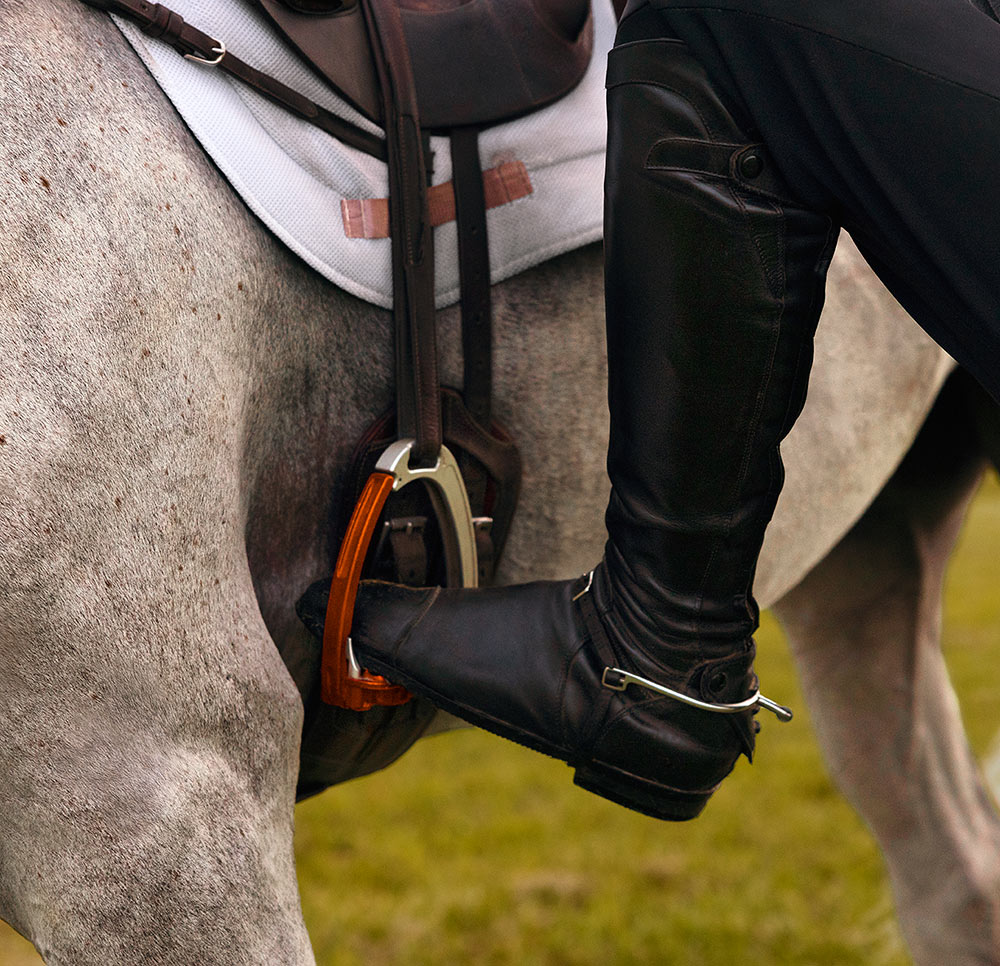
In Sorita’s eyes, alternative specialists sit at the middle leg of a relay race. Veterinarians, farriers and trainers may start the process, but bodyworkers help horses stay balanced and comfortable so they can reach the finish line. These specialists see patterns that others may miss and help horses find moments of calm in a world that often demands constant forward motion.
When bodywork uncovers patterns that extend beyond soft tissue, your veterinarian helps determine the underlying cause and plan of action.
Your horse’s veterinarian is certainly the medical strategist of the team. The one who often fields the first call when something seems off. What many horse owners might not see is the rhythm behind the scenes. Just like farriers, their days are often long and can involve quite a bit of travel to reach patients.
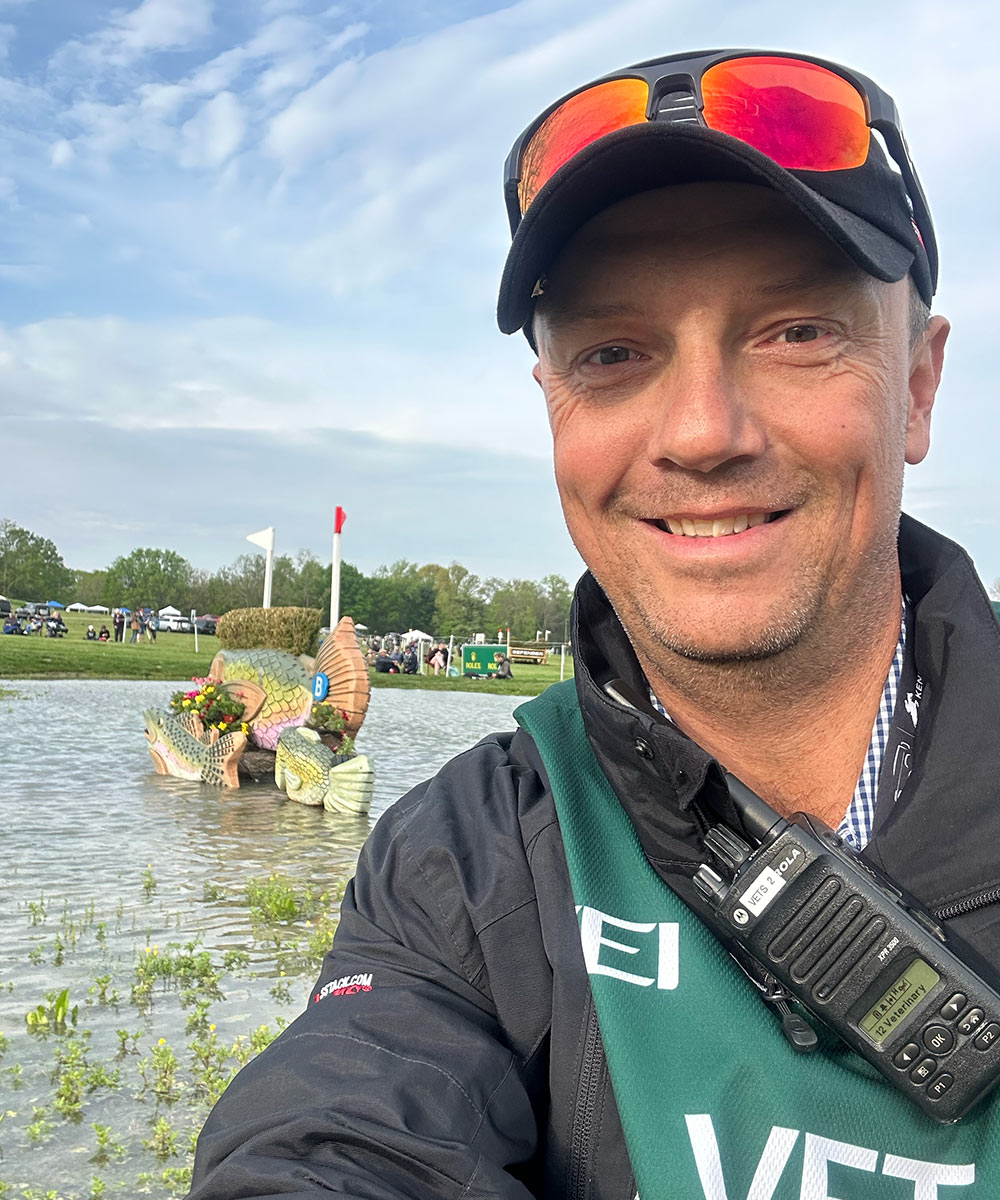
Christopher Elliott, BVSc (hons), MANZCVS, DACVSMR, a Sports Medicine and Rehabilitation Veterinarian at Palm Beach Equine with FEI experience in more than 20 countries, shared: “You might see us on the farm for one or two hours, but our day usually starts quite early and ends well into the evening. This profession requires a lot of our heart and soul, but we give the horse, and our clients, our absolute best every day because we love what we do. One of the most helpful things owners can do is share small changes early, even if they seem insignificant at first. A slight shift in behavior, appetite or performance can be the clue that helps us catch something before it becomes a bigger issue.”
Equine veterinarians balance demanding schedules, emotional labor and the weight of urgent decision-making. If you’d like to learn more about how to help support equine veterinarians in prepping your horse for appointments, this article offers insider tips: Supporting Equine Veterinarians: A Path to Career-Life Balance.
Dental care is one of those areas that can unintentionally get overlooked, not out of neglect, but because many owners associate it with obvious signs like dropping feed. In reality, a horse’s mouth is constantly changing, and thoughtful dental care supports comfort and performance at every stage of life.
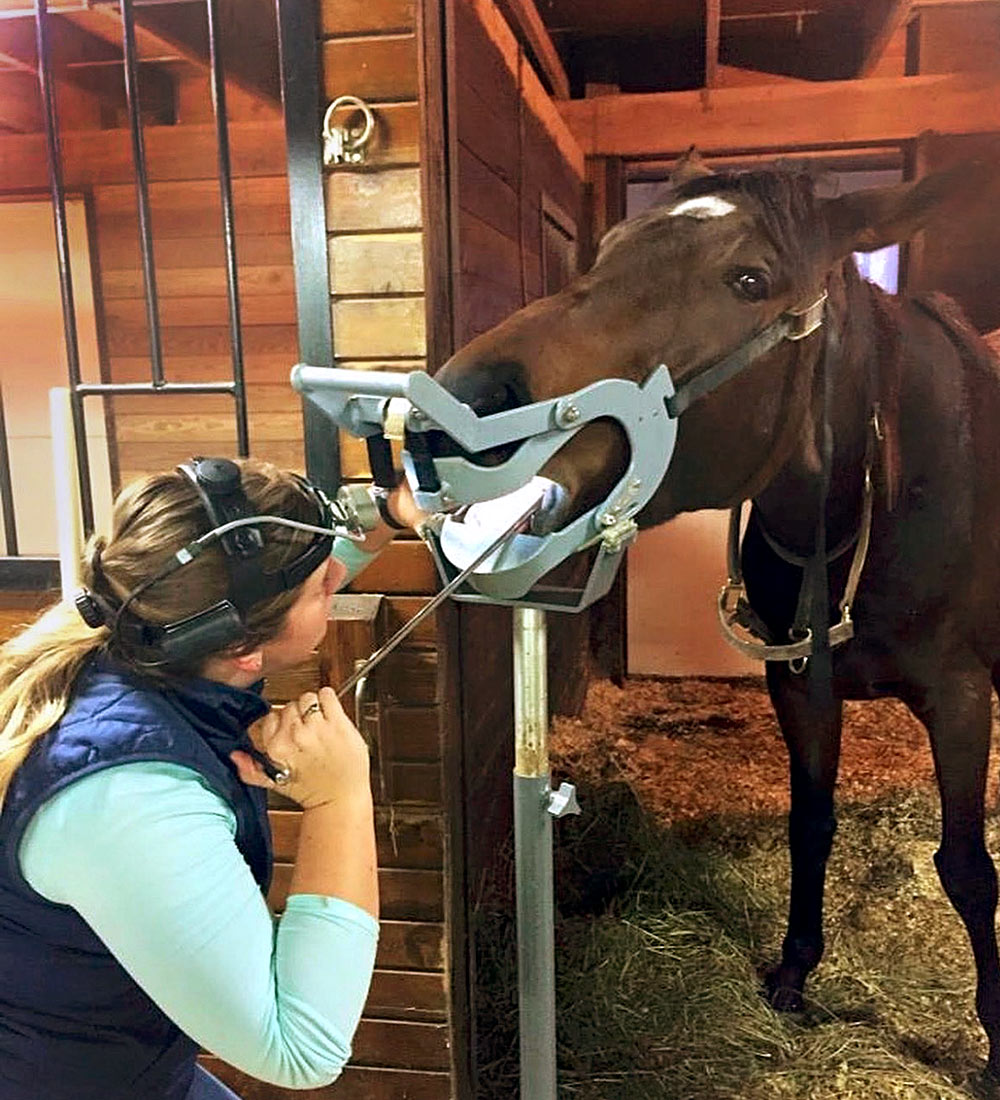
Megan Hays, VMD with B.W. Furlong & Associates explains, “The most fascinating thing about equine dental health is the profound impact it has on all other aspects of the horse's well-being. Horses are very stoic when it comes to dental pain, so the presenting complaint may be weight loss, difficulty bridling, poor performance or even nasal discharge to name a few.”
Dr. Hays also addressed a common question client have around whether power dental floats are bad for a horse’s teeth. She explained, “Power dental floats are not bad for a horse’s teeth, and they don’t overfloat or overheat the tooth, but rather, provide gentle precise floating better than a hand file can.”
At the center of every horse’s care team is the owner. While each professional brings specialized expertise, no one knows your horse quite like you do. Understanding your horse’s unique physical, mental and social needs allows you to recognize subtle changes, identify potential concerns early and advocate for their well-being.
One theme emerged consistently from our conversations with trainers, farriers, alternative therapy practitioners and veterinarians: strong communication is essential. Sharing observations, asking questions and ensuring information flows between members of the care team helps everyone work together more effectively in support of the horse.
As a horse owner, you are often the first to notice when something seems different. Trust those instincts. Whether it’s a change in behavior, movement, appetite or attitude, early intervention can make a meaningful difference.
And while the responsibility of caring for your horse ultimately rests with you, it’s worth remembering that your care team is deeply invested in your horse’s success. They dedicate long hours, expertise and genuine compassion to helping horses thrive. A simple “thank you” or word of appreciation can go a long way in recognizing the important role they play in your horse’s life.
.jpg)
Read Article

Read Article
Read Article
All trademarks are the property of Zoetis Services LLC or a related company or a licensor unless otherwise noted. © 2026 Zoetis Services LLC. All rights reserved. GEQ-01501
Share this article


